Cusco to Soraypampa
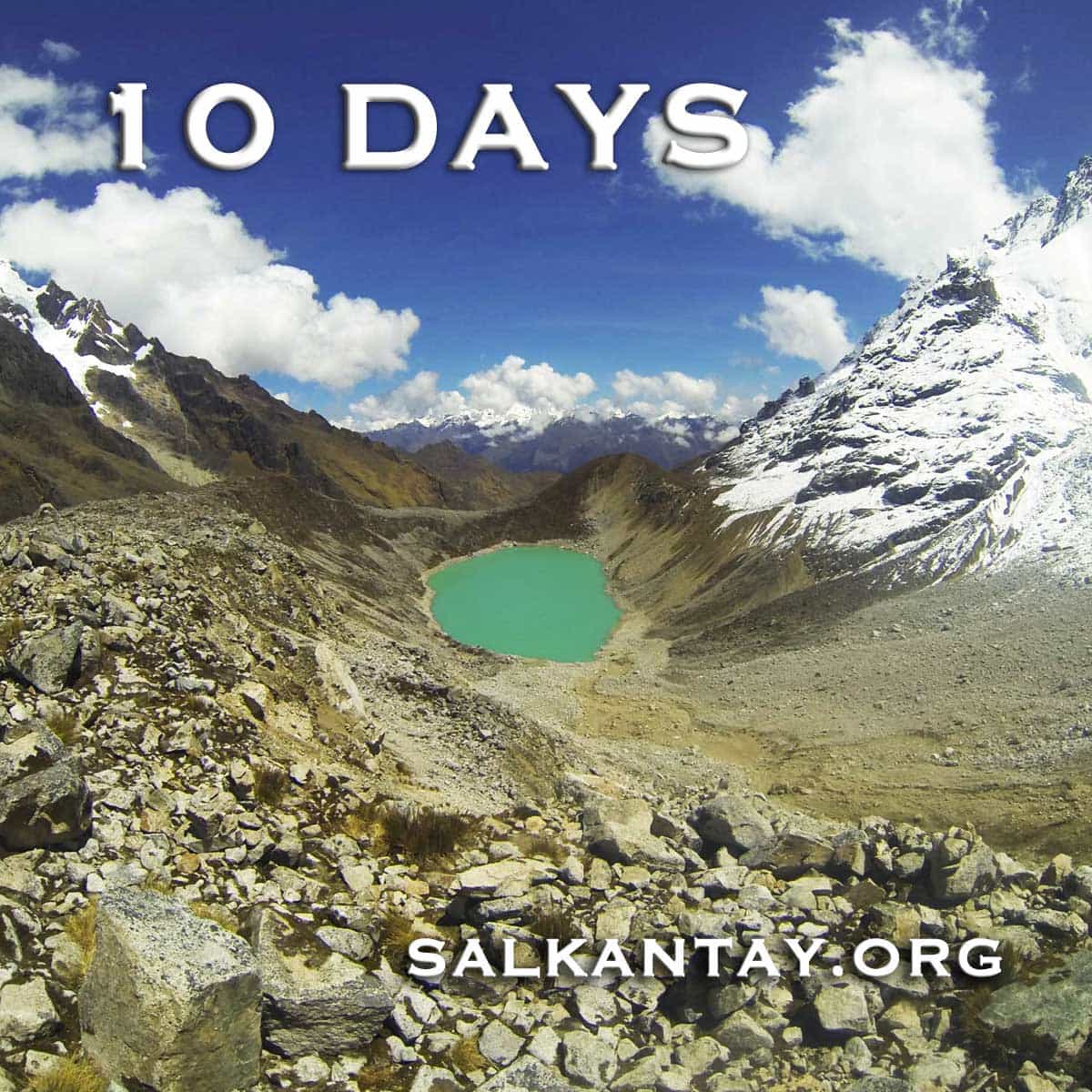
3,900 MTrailhead at Challacancha, then an afternoon climb to the turquoise Humantay Lake at 4,250 m.
Cusco Region · Peru — 13°20′S 72°33′W
The high route to Machu Picchu: five ecosystems, a glacier pass higher than anything on the Inca Trail, and no permit lottery. Small groups, local Quechua-speaking guides, every departure guaranteed.
The Incas never built a road over Salkantay. They worshipped it instead — an Apu, a mountain lord, 6,271 metres of ice above the cloud forest.
The trek that now crosses its shoulder is the closest rival to the classic Inca Trail — higher, quieter, and open to anyone with boots and a fortnight’s notice. You climb from Cusco’s ochre valleys to the turquoise of Humantay Lake, over the 4,630-metre Salkantay Pass, then descend through orchids and coffee farms to the citadel itself. Our complete trek guide covers everything from Salkantay Pass altitude and acclimatization to what to pack.
The route — 60 km · 5 days · Challacancha to Machu Picchu
Trailhead at Challacancha, then an afternoon climb to the turquoise Humantay Lake at 4,250 m.
The high point of the trek, under the glacier itself — then a long descent into cloud forest.
Coffee farms, orchids and an evening in the Cocalmayo hot springs.
Along the railway through the Machu Picchu sanctuary to the gateway town.
Sunrise at the Watchman’s Hut, then the citadel — guided, ticket included.
See the Salkantay Trek distance, route and map →
Or scroll the ascent — an aerial film of the route, from the trailhead to the pass →
Highlights — what the pass earns you
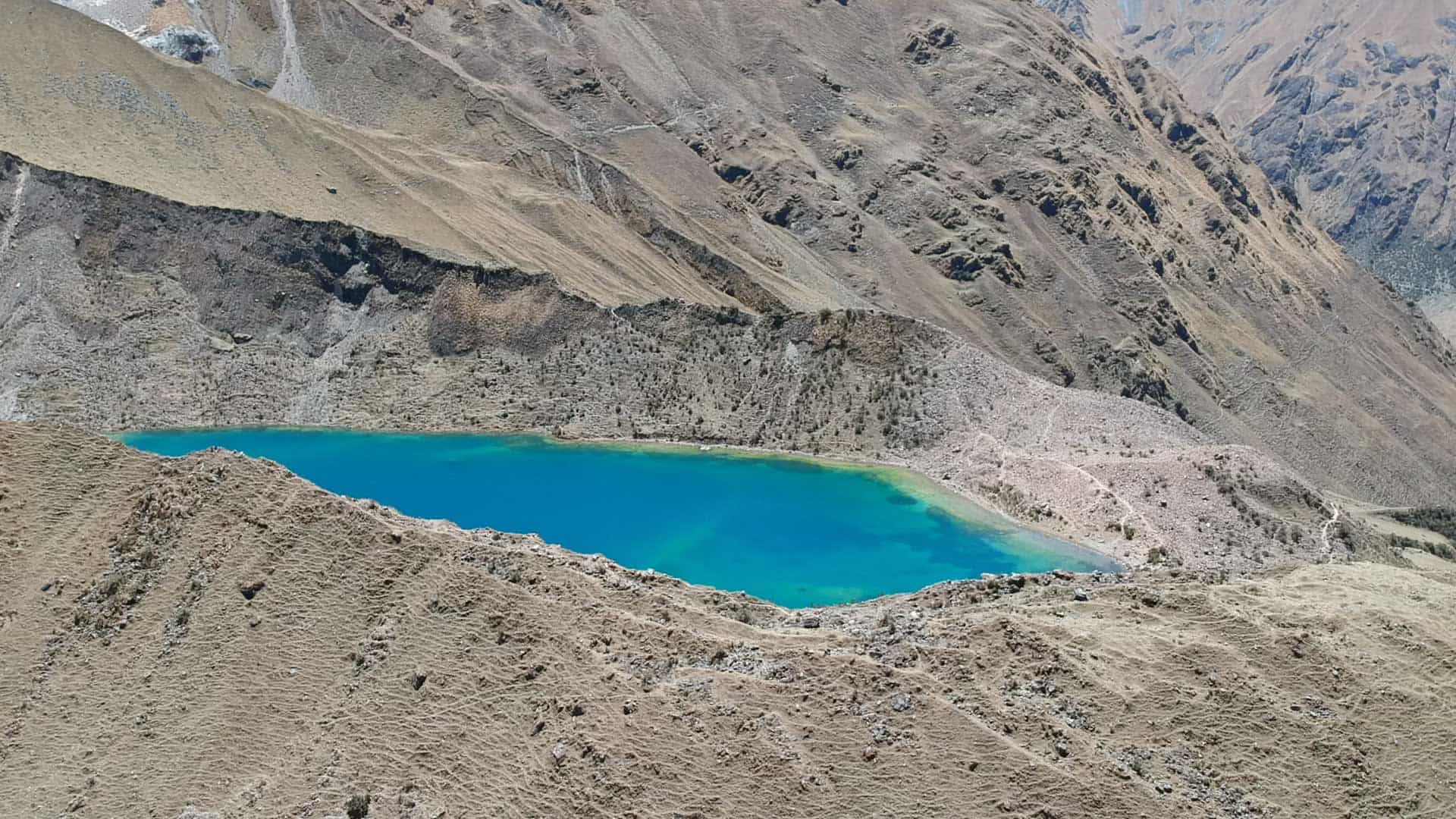
A glacial lagoon the colour of oxidised copper, an afternoon’s climb from the first camp.
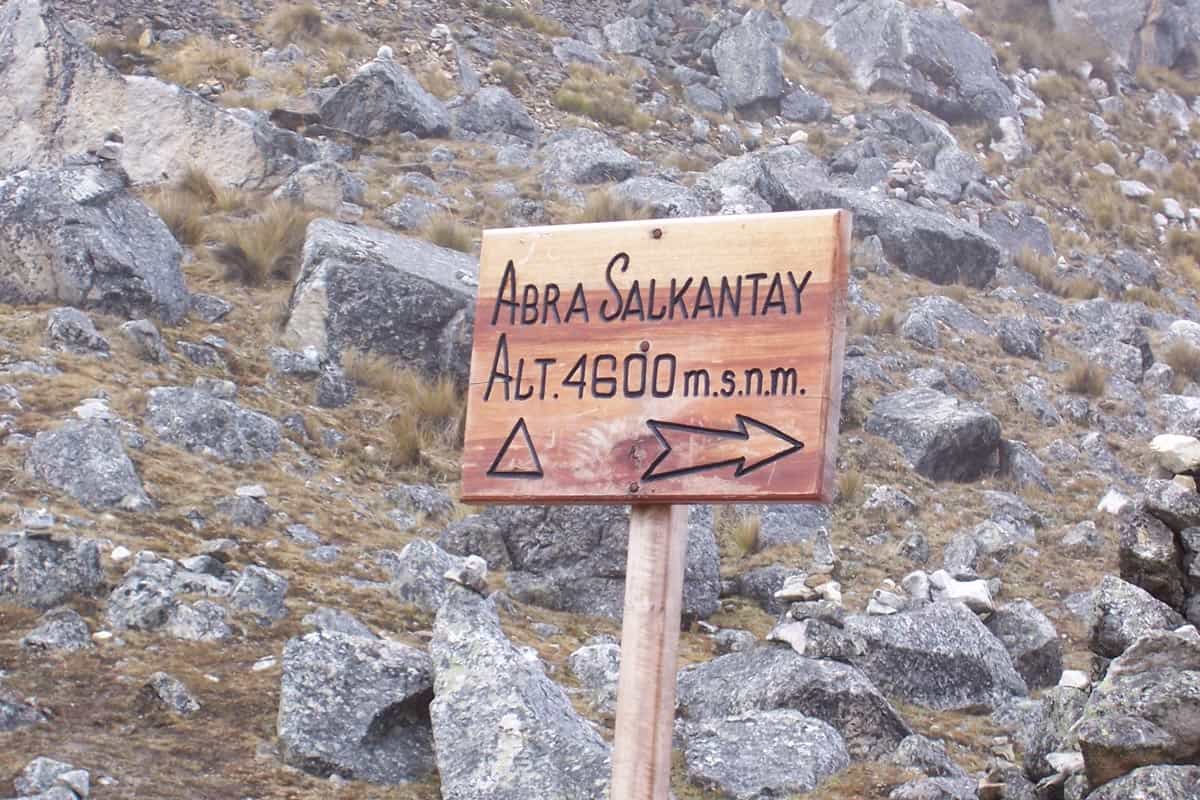
The highest point of any Machu Picchu trek — higher than everything on the Inca Trail.
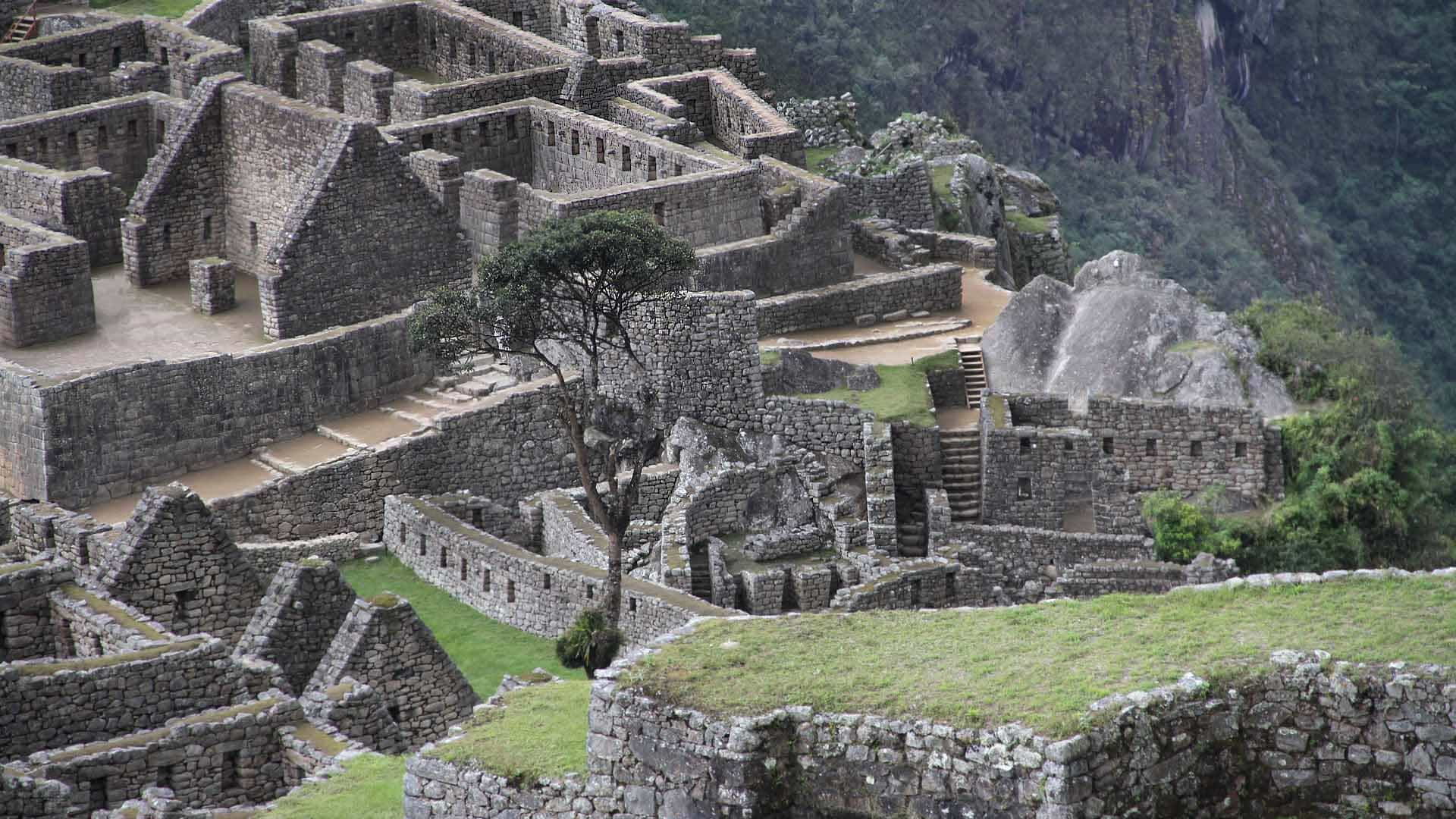
Inca ruins with the only distant, front-on view of Machu Picchu on any trekking route.
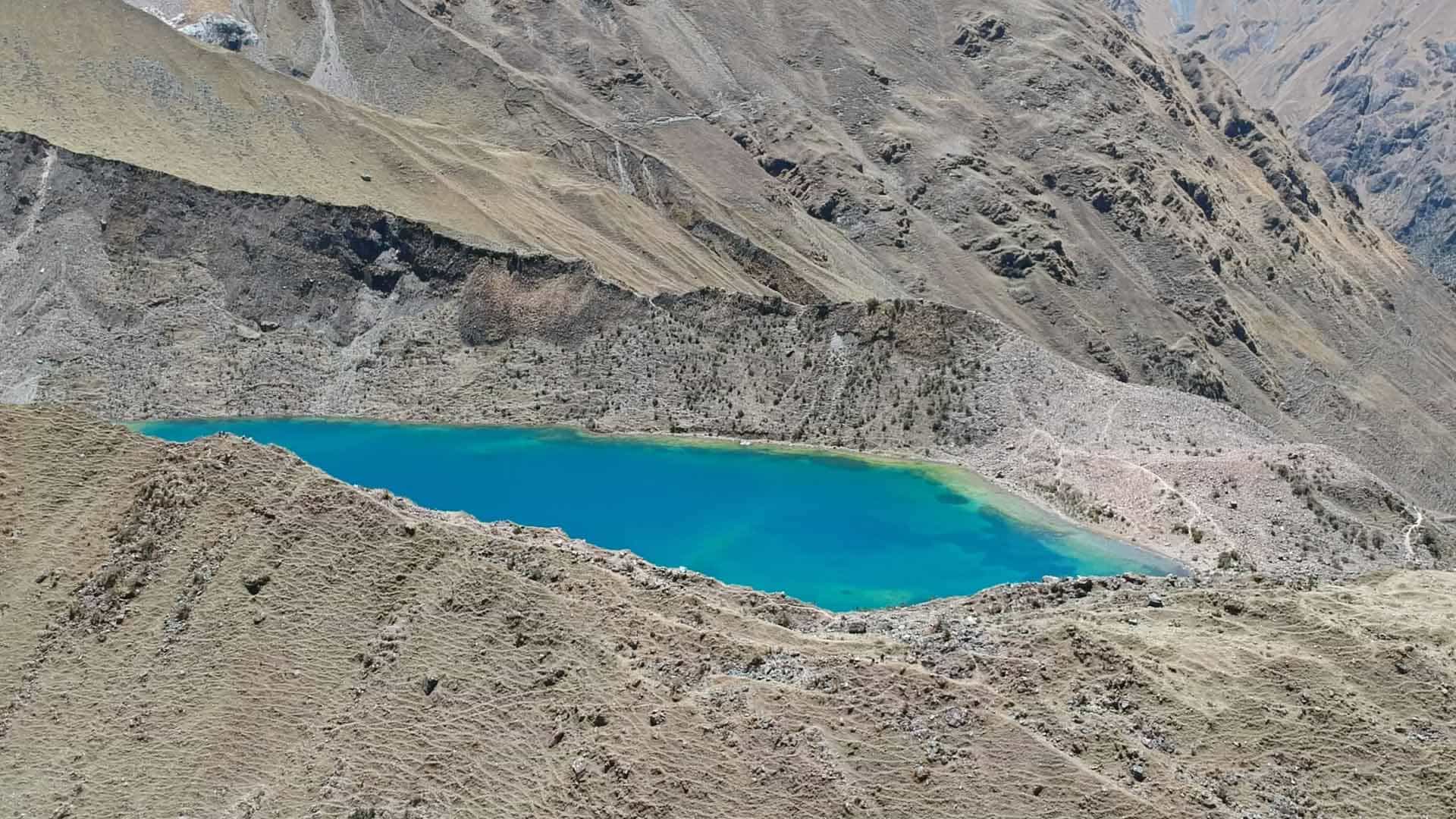
Glacier, puna grassland, cloud forest, high jungle and river valley — in a single week.
Expeditions — every departure guaranteed
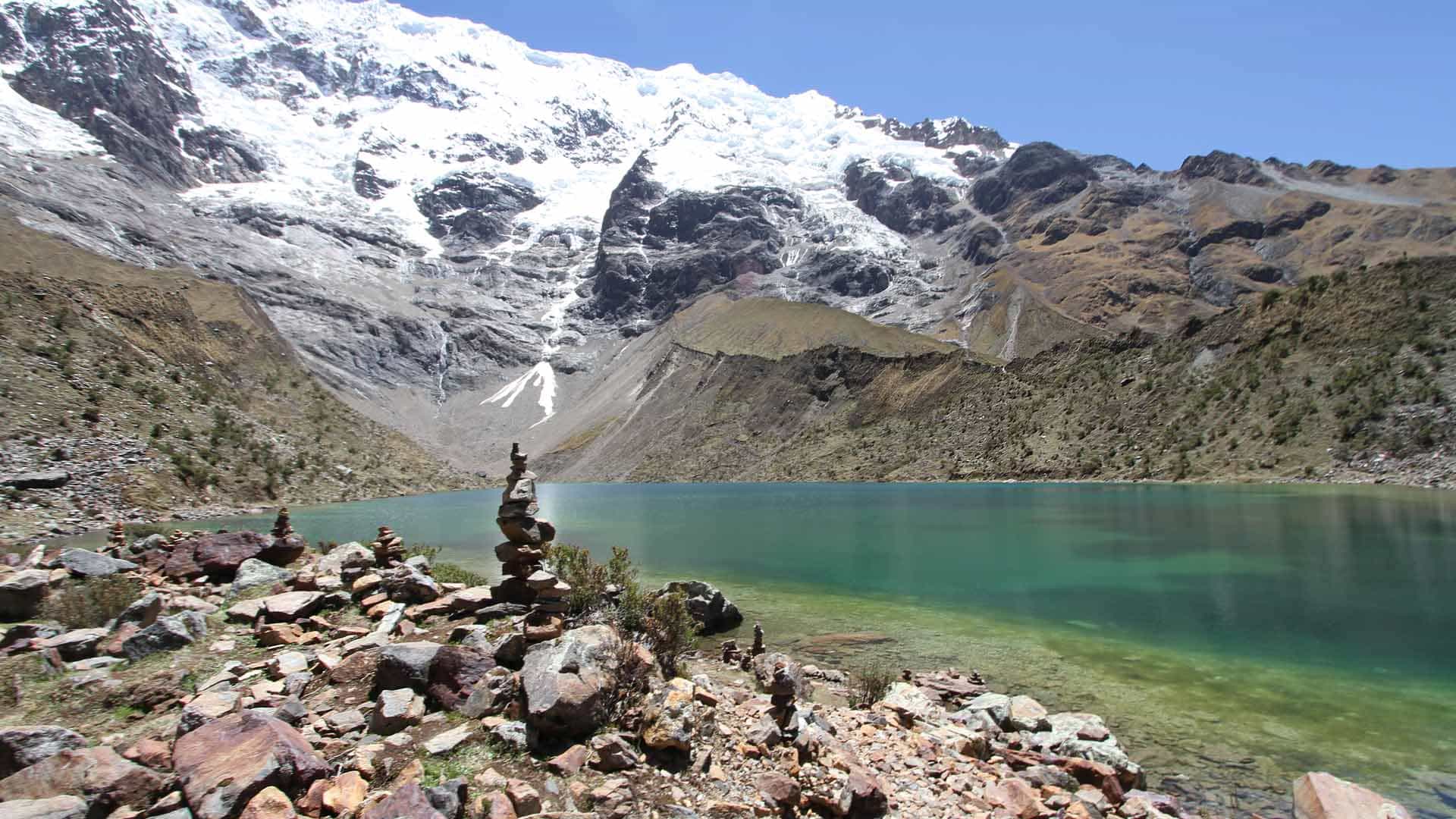
The full traverse: Humantay Lake, the pass, hot springs, and a night below Machu Picchu. The route as it was meant to be walked.
The trek guide — research before you climb
The decision — Salkantay or the Inca Trail
| Measure | Salkantay Trek | Classic Inca Trail |
|---|---|---|
| Highest point | 4,630 m — Salkantay Pass | 4,215 m — Dead Woman’s Pass |
| Permits | None — book weeks ahead | 500/day quota, sells out months out |
| Crowds | Low — wild camps | High in season |
| Inca ruins en route | Llactapata | Wiñay Wayna, Phuyupatamarca & more |
From the trail log
Twelve trekkers maximum, local Quechua-speaking guides, and a California-registered operator — more about who you walk with.
“Each day was filled with different scenery and landscapes that were breathtaking. Challenging in parts — and worth every step.”
“One of the best trips I have ever taken in my life. We joked about bringing the chefs home because of how good the food was.”
“The care the guides, porters and cooks showed us all week was more than I ever could have expected.”
Before you ask
No. Unlike the Inca Trail’s 500-a-day quota, Salkantay has no permit system — you can book weeks rather than months ahead. You still need a Machu Picchu entrance ticket, which is included in every trek. More on permits and tickets.
Challenging but walkable for anyone with reasonable fitness. The second day climbs to 4,630 m and is the test; the rest is long descents. Two or three days acclimatizing in Cusco first makes the difference. Read the honest grading.
May to September is the dry season with the clearest glacier views. April and October trade a little rain for empty trails. Month-by-month breakdown.
End of the line — 13°09′S 72°32′W
Departures run year-round with a two-person minimum. Tell us your dates and we’ll hold your spot on the mountain.